

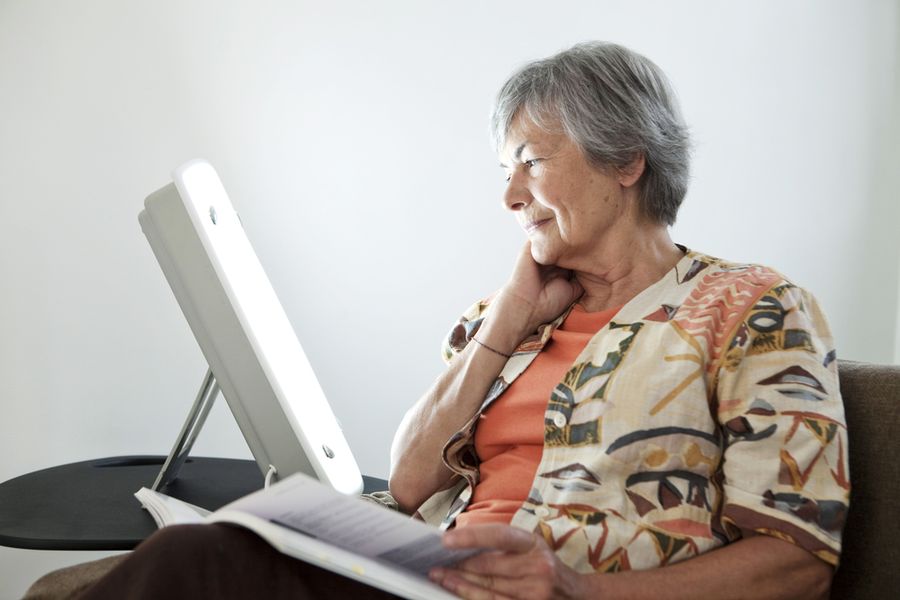
Light therapy lamps are increasingly popular as a way to brighten indoor days when natural sunlight is limited. The specialized lamps aim to mimic the brightness and color of daylight, helping to lift mood, improve energy, and support healthy sleep cycles. If you struggle with winter gloom, short daylight hours, or just want a little extra light to boost your mood — a good therapy lamp could be a simple, helpful addition to your home or office routine.
Why Light Therapy Lamps Help with Mood and Energy
When daylight fades in fall and winter, many people experience lower energy levels, sleep disruption, or seasonal mood shifts. This condition — often referred to as Seasonal Affective Disorder (SAD) — is linked to reduced sunlight exposure, which can disrupt your body’s internal clock and brain chemicals.
Bright, white light from a therapy lamp can help reset your circadian rhythm and stimulate production of mood-boosting chemicals like serotonin. Studies and medical-site sources show light therapy lamps are a widely accepted, non-drug option for improving mood, sleep, and general well-being in darker times of year.
For many people, using a lamp each morning can make a noticeable difference in energy, focus, and mood. Because the light helps signal “daytime” to your brain, it also supports a healthier sleep-wake cycle and reduces feelings of fatigue or lethargy during winter months.
What to Look for: Key Features in a Good Light Therapy Lamp
Not all light therapy lamps are equally effective. When choosing one, it helps to know which features matter most:
- Light Intensity (Lux): For effective mood support, most experts recommend a lamp that delivers around 10,000 lux at a reasonable distance (typically 12–18 inches from your face).
- UV-Free Light: A safe lamp should filter out ultraviolet (UV) light to avoid eye or skin harm. Legitimate therapy lamps are designed to provide bright white light without dangerous UV emission.
- Large Light Surface & Proper Placement: Lamps with a larger light panel or surface allow for more natural head movement while still delivering effective light exposure. Positioning the lamp slightly above eye level, rather than looking directly into it, reduces glare and improves comfort.
- Ease of Use and Flexibility: Adjustable brightness, tilt or stand settings, size/portability, and simple controls make it easier to integrate light therapy into everyday life. Lamps that fit on a desk, shelf, or bedside table are often the most practical.
Top Light Therapy Lamps Worth Considering
If you are searching for a high-quality lamp to support mood and energy, these two widely recommended models stand out for their reliability, performance, and user experience:
Verilux HappyLight Luxe LED Lamp — The HappyLight Luxe is often listed among the best overall therapy lamps for home use. Reviews highlight its 10,000 lux brightness, compact and stylish design, adjustable brightness settings, and easy setup. It’s a strong choice if you want a lamp you can place on a desk or table and use daily without fuss.
Carex Day-Light Classic Plus Light Therapy Lamp — For those who prefer a larger light panel and flexible positioning, the Day-Light Classic Plus offers broad light coverage and adjustable tilt. This model delivers reliable brightness and is designed to mimic natural daylight over a larger area — helpful if you read, work, or relax near the lamp for longer periods.
Other models — such as compact lamps that fit small desks or dedicated floor-lamp versions — may be useful depending on your space and lifestyle. The key is ensuring the lamp meets the criteria above (lux level, UV safety, panel size, placement flexibility).
How to Use a Light Therapy Lamp for Best Results
To get the most benefit from a light therapy lamp, think of it as part of your daily routine, not a one-time fix. Experts often recommend using your lamp in the morning for 20–30 minutes , ideally within the first hour or two after waking.
Place the lamp at a slight downward angle above your eyes — such as on a desk beside your computer or a table near where you eat breakfast — but do not stare directly into the light. Let the light enter through your open eyes naturally.
Consistency matters. Daily exposure during the darker months helps regulate your internal clock and mood. It's best used in combination with healthy sleep habits, good overall lighting, and regular time outdoors when possible. For individuals with eye conditions, bipolar disorder, or sensitivity to light, it’s wise to consult a doctor before starting light therapy.
Brighten Your Space, Improve Your Mood
Seasonal mood changes and the winter blues don’t have to define your energy, focus, or happiness. A good light therapy lamp — one that provides bright, UV-free light and is positioned correctly — can help restore balance to your circadian rhythm, lift your mood, and support better sleep and energy levels.
Whether you try a compact model like the Verilux HappyLight Luxe or a larger panel like the Carex Day-Light Classic Plus, thoughtful use and consistency can make a real difference. Paired with healthy habits, light therapy might just brighten your darkest days.