

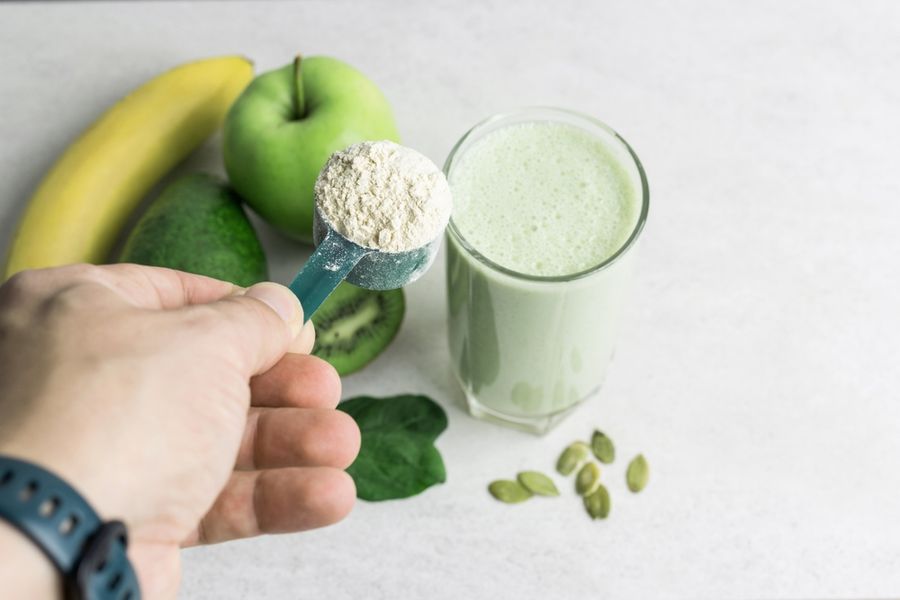
For many people, long workdays, rushed meals, and unpredictable schedules make it hard to eat enough fruits and vegetables. Greens powders have grown popular as a quick way to add extra nutrients to a daily routine. Powdered blends usually contain dried vegetables, fruits, herbs, probiotics, or digestive enzymes. But the big question remains: do they actually help fill nutritional gaps? Understanding how greens powders work can help you choose whether they belong in your lifestyle.
What Greens Powders Are Designed to Do
Greens powders are created to provide concentrated nutrients from plants in an easy-to-mix form. Many blends include ingredients like spinach, kale, spirulina, wheatgrass, broccoli, and assorted fruit extracts. Some formulas also add probiotics for gut health or adaptogens for stress support. Because these powders are dehydrated at low temperatures, they retain many vitamins and antioxidants found in whole foods.
The main purpose of a greens powder is not to replace fruits and vegetables but to supply extra support on days when your diet is lacking. People who travel often, skip produce at lunch, or struggle with meal planning may find greens powders especially appealing. While they cannot replicate the fiber and fullness of whole vegetables, they can offer nutrients the body relies on for healthy functioning, such as vitamin K, vitamin C, folate, and plant-based antioxidants.
Greens powders are also simple to use. Most dissolve in water, juice, or smoothies within a few seconds. This convenience is one of the main reasons they have become popular with busy professionals and people who want a predictable source of micronutrients each day.
Do Greens Powders Actually Fill Nutritional Gaps?
For many people, the answer is “partially.” Greens powders can contribute important vitamins, minerals, and phytonutrients, especially if your daily diet falls short in these areas. They are not a full substitute for whole produce , since they lack dietary fiber and the natural water content that helps with digestion and satiety. But they can support your nutrition when used alongside balanced meals.
Research suggests that dried vegetable powders can retain many beneficial compounds. While nutrient levels vary by brand and processing method, some studies show that dehydrated greens still provide antioxidants that help reduce oxidative stress in the body. Because of this, greens powders may serve as a helpful “backup plan” for individuals who don’t always have time to cook or prepare vegetables.
However, it’s important to avoid thinking of greens powders as a cure-all. They work best as part of a routine that also includes whole foods, lean proteins, healthy fats, and hydration. A powder can enhance your nutrition, but it cannot replace the full benefits of a balanced diet.
Understanding Ingredient Quality and Transparency
Not all greens powders are created equal, and the quality of ingredients matters. Many popular formulas include blends of leafy greens, algae such as spirulina and chlorella, and grasses like barley or wheatgrass. The challenge is that supplement labels often group dozens of ingredients into “proprietary blends,” which do not show the exact amount of each ingredient.
When choosing a greens powder, look for brands that offer transparent labeling, third-party testing, and clear sourcing information. Some companies list their ingredient quantities and certification standards, such as organic or non-GMO. Transparency helps ensure you are getting meaningful amounts of key nutrients.
It is also helpful to check whether the greens powder includes added sugars, sweeteners, or unnecessary fillers. Some formulas use stevia or monk fruit to improve taste, while others stay completely unsweetened. Your choice depends on personal preference, but awareness helps you pick a powder that aligns with your health goals.
How to Use Greens Powders in Daily Life
One of the best features of greens powders is their flexibility. You can mix them with water for a quick morning drink, add them to smoothies, stir them into yogurt, or even blend them into oatmeal. Most people take them once per day, though the ideal frequency depends on your nutritional needs.
To get the most out of a greens powder, pair it with meals that already contain some whole foods. For example, adding a scoop to a smoothie with fruit, protein, and healthy fats creates a more complete and satisfying breakfast. Greens powders are also useful during travel, when access to fresh produce is limited.
It’s important to remember that greens powders are supplements, not primary food sources. If you have vitamin deficiencies or health conditions, consulting a healthcare professional can help you determine whether a greens powder fits your needs.
Potential Benefits Beyond Basic Nutrition
Many greens powders include added probiotics or digestive enzymes , which may support gut health. A healthy digestive system can improve nutrient absorption and overall well-being. Some powders also include adaptogens like ashwagandha, which are often marketed for stress balance.
While these additions can be helpful, their effectiveness depends on ingredient quality and dosage. Some people report more sustained energy, better digestion, or improved focus when adding greens powders to their routine. However, results vary, and it’s important to choose a formula based on proven ingredients rather than marketing claims.
A Helpful Boost, Not a Replacement
Greens powders can be a convenient way to increase your intake of vitamins, minerals, and antioxidants, especially when life gets busy. They are not a substitute for whole fruits and vegetables, but they can help fill small nutritional gaps and support overall well-being.
By choosing a high-quality product with transparent labeling and using it consistently alongside balanced meals, you can make greens powders a useful part of a busy, health-focused lifestyle.