

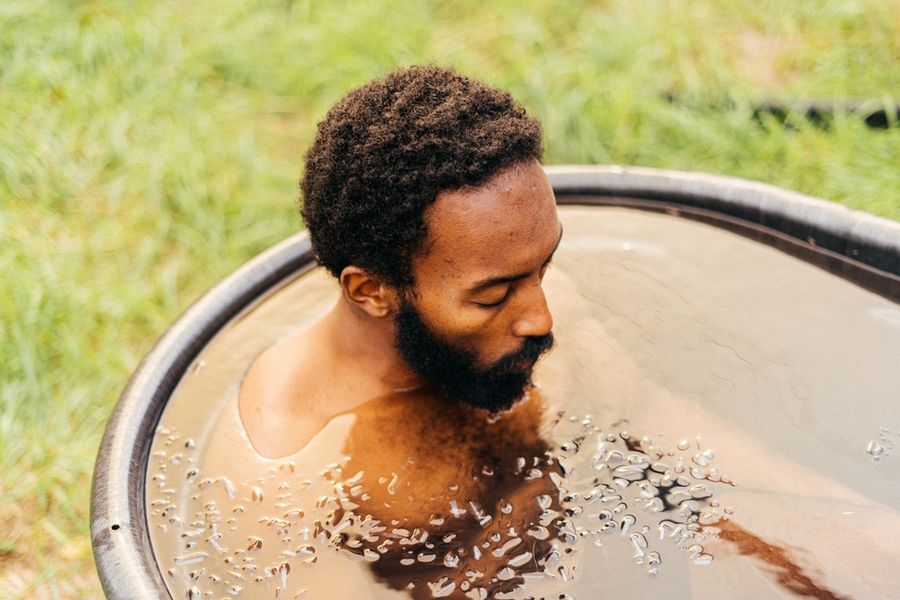
Cold-plunge therapy is gaining popularity across the U.S. as a wellness and recovery tool anyone can use at home. Immersing your body in near-freezing water can help reduce inflammation, ease sore muscles, boost circulation, and even sharpen mental clarity. But to get real benefits — and stay safe — you need the right kind of ice bath setup. Knowing what to look for will help you build a home plunge system that fits your goals, space, and lifestyle.
Why Home Ice Baths Are More Than a Trend
Cold-water immersion — whether a quick dip after a workout or a regular routine — has a long history of use in sports medicine and physical recovery. When you step into cold water, your blood vessels constrict, reducing inflammation and helping your body flush out metabolic waste.
After you leave the water, blood flow returns, bringing fresh oxygen and nutrients to muscles and tissues, which can support recovery and reduce soreness. Many people also report a mental boost — a rush of alertness, reduced stress, or a clearer mind after the plunge. If you’re dealing with stiff muscles, post-workout fatigue, or seasonal lung and circulation issues, a regular cold plunge could become a simple but effective tool in your wellness routine.
What to Look For: Key Features in Ice Bath Tubs
When shopping for a home ice bath, not all tubs are equal. The most effective setups offer consistent temperature control, easy maintenance, and safety features. Some of the top-rated tubs on the market today include built-in chillers, filtration systems, and rugged construction for long-term use.
- Built-in chiller and temperature control: A good cold plunge tub — such as The Plunge Cold Plunge Tub — uses an electric chiller to keep the water at a steady cold temperature without needing constant ice refills. This ensures consistent cold therapy and simplifies maintenance. Similarly, quality tubs often include filtration and sanitation systems so water stays clean and safe over repeated use.
- Durable materials and construction: Cold-water tubs should withstand frequent filling and draining and resist warping or leaks. Models built with heavy-duty acrylic, fiberglass, or rust-resistant metal tend to last longer.
- Appropriate size and capacity: Choose a tub large enough to immerse at least up to your torso comfortably. For people taller or broader, deeper or longer tubs may be worth the investment. Some cold plunge tubs, like Ice Barrel Cold Plunge Tub, are designed for smaller spaces but may feel a bit cramped for larger adults.
- Ease of setup and maintenance: A tub that drains easily and has simple controls encourages consistency. If maintaining the bath feels like a chore, you’re less likely to use it often. Good tubs often come with drainage plugs, easy-fill water lines, or straightforward filtration systems.
Popular Ice Bath Products for Home Use
If you’re ready to buy a home cold plunge setup, several well-known models stand out for reliability, quality, or space efficiency.
- The Plunge Cold Plunge Tub – A high-end tub with a built-in chiller, circular filtration, and a spacious interior. It’s often rated best overall by reviewers for ease of use and performance.
- The Ice Barrel 500 Cold Plunge Tub – Known for being compact and space-efficient, Ice Barrel is a decent choice if you have limited space or want a simpler tub . It’s lighter and more portable compared to larger tubs but requires manual ice or water changes.
- Portable or Inflatable Options – For renters or people without dedicated space, portable tubs such as the ones reviewed in portability-focused roundups can offer a flexible way to try cold plunges without a big commitment.
Each of these options comes with trade-offs. Built-in-chiller tubs deliver consistency and convenience but require more space and possibly higher maintenance. Compact or portable tubs take less space and can be more budget-friendly, but typically require manual ice and water changes and may lack advanced temperature control.
How to Use a Cold Plunge Safely and Effectively
To get benefits from cold plunging — and avoid risks — it’s important to follow safe practices. Experts generally recommend a water temperature between 50°F and 59°F (about 10–15°C) for beginners. Limiting sessions to a few minutes (often 2–5 minutes for newcomers) is wise until your body adapts. Always enter water slowly, and avoid plunging alone if possible.
Some people with heart conditions, poor circulation, or cold intolerance should check with a doctor before trying cold water immersion. After exiting, warming up gradually — with dry clothes, a warm drink, or light movement — helps your body return to normal safely.
Cleaning the tub and changing water regularly is also key — standing water can turn into a bacterial source if not managed. A tub with built-in filtration or an easy draining system makes this much easier.
Is a Cold Plunge Right for You?
Cold-plunge therapy can be a powerful tool for recovery, overall wellness, or just resetting your mind after a long day. If you want a home setup, look for a tub with good insulation, reliable temperature control or chiller, easy maintenance, and enough space to fit comfortably.
Whether you choose a premium tub like The Plunge or a compact option like Ice Barrel, the most important thing is consistency and safety. When used with care, a home ice bath can become a refreshing ritual that supports both physical recovery and mental clarity.