

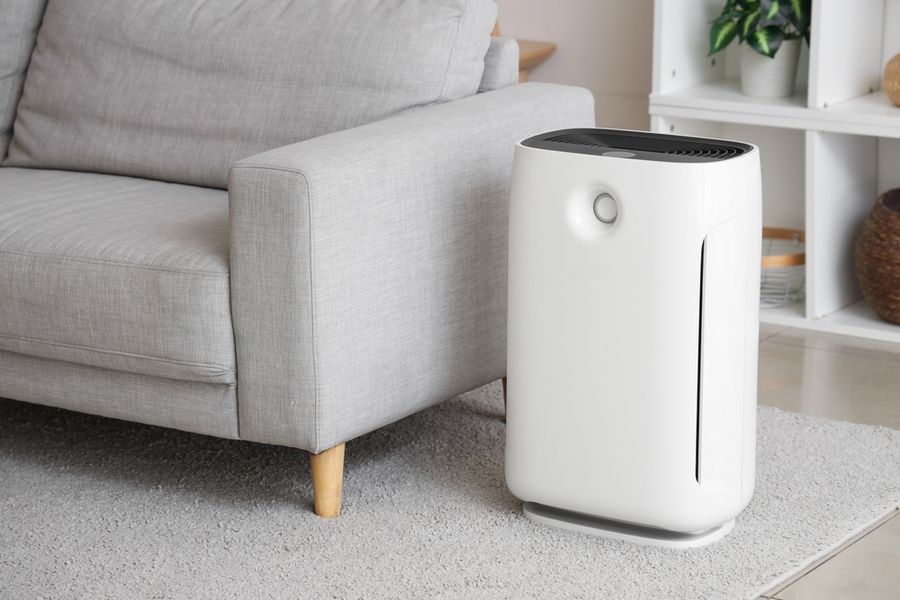
Air quality has become a growing concern in many parts of the United States, especially as people spend more time indoors. Pollutants like dust, smoke, pollen, and pet dander can linger in indoor spaces and affect how easily you breathe. Many people turn to air purifiers as a way to reduce irritants and support healthier lungs. Choosing the right purifier, however, requires understanding which features matter most for cleaner air and better respiratory health.
Why Air Purifiers Support Respiratory Health
Air purifiers work by removing airborne particles that can irritate your lungs. This includes allergens, smoke particles, mold spores, and even some bacteria. When these irritants are reduced, your respiratory system has less to fight against, making it easier to breathe comfortably.
People with allergies or asthma often feel relief when using a purifier because these devices help lower exposure to common triggers. Even those without chronic conditions may notice reduced coughing, less congestion, and overall easier breathing when the air in their home contains fewer pollutants.
Cleaner air is also important during wildfire season, which has become more intense in parts of the U.S. Purifiers with strong filtration can help reduce indoor smoke particles and protect your lungs when outside air quality drops.
Look for True HEPA Filtration
The most important feature in an air purifier is the type of filter it uses. True HEPA filtration is considered the gold standard. According to U.S. Department of Energy specifications, True HEPA filters capture at least 99.97% of particles as small as 0.3 microns. This includes tiny particles like smoke, dust, pollen, and even some bacteria.
Be aware that “HEPA-type” or “HEPA-like” filters do not meet the same standard. When shopping for a purifier, make sure the filter is clearly labeled as True HEPA to ensure high performance.
Many purifiers also include a pre-filter for larger particles. This helps extend the life of the main HEPA filter, keeping the purifier efficient. Regular filter changes are essential; a clogged filter cannot clean the air effectively.
Consider Additional Technologies Carefully
Some air purifiers offer extra features beyond basic filtration. Activated carbon filters are helpful for removing odors from cooking, pets, or smoke, as well as reducing certain gases found indoors. These filters are especially useful in kitchens, basements, and high-traffic living areas.
UV-C light is another feature sometimes included in purifiers. It is designed to neutralize bacteria and viruses, but effectiveness varies depending on exposure time and design. If you choose a model with UV-C, make sure it is built so the light cannot escape the device, preventing eye or skin irritation.
While advanced features can be helpful, they should complement—not replace—strong HEPA filtration. For most households, a combination of True HEPA and activated carbon offers the most practical benefits.
Check the Clean Air Delivery Rate (CADR)
The Clean Air Delivery Rate (CADR) tells you how quickly a purifier can clean the air in a room. The Association of Home Appliance Manufacturers provides CADR ratings for smoke, dust, and pollen. Higher numbers mean faster purification.
Try choosing a purifier with a CADR rating equal to at least two-thirds of your room’s square footage . For example, for a 150-square-foot room, a CADR of 100 or more would be appropriate.
Choosing a purifier with the right CADR ensures that the unit can keep up with the size of your space. An underpowered purifier may run constantly without improving the air enough, while an oversized unit may be unnecessary.
Think About Noise, Placement, and Ease of Use
Air purifiers often run for long periods, so noise level is an important factor. Many people prefer quieter models for bedrooms or home offices so they can sleep or work without disruption.
Placement also affects performance. Purifiers should be placed where air can flow freely around them. The best locations are often open areas away from walls or large furniture pieces that block airflow.
Ease of use also matters. Models with simple controls, filter-change reminders, and adjustable fan speeds are easier to manage daily. A purifier that fits smoothly into your routine is more likely to be used consistently.
Choosing the Right Purifier for Healthier Breathing
Air purifiers are helpful tools for improving respiratory comfort and reducing exposure to airborne irritants. By choosing a purifier with True HEPA filtration, understanding CADR ratings, and considering helpful features like carbon filters or quiet operation, you can create a cleaner and healthier home environment.
With the right purifier, you may breathe easier, feel more comfortable, and enjoy greater peace of mind about the air in your living space.