

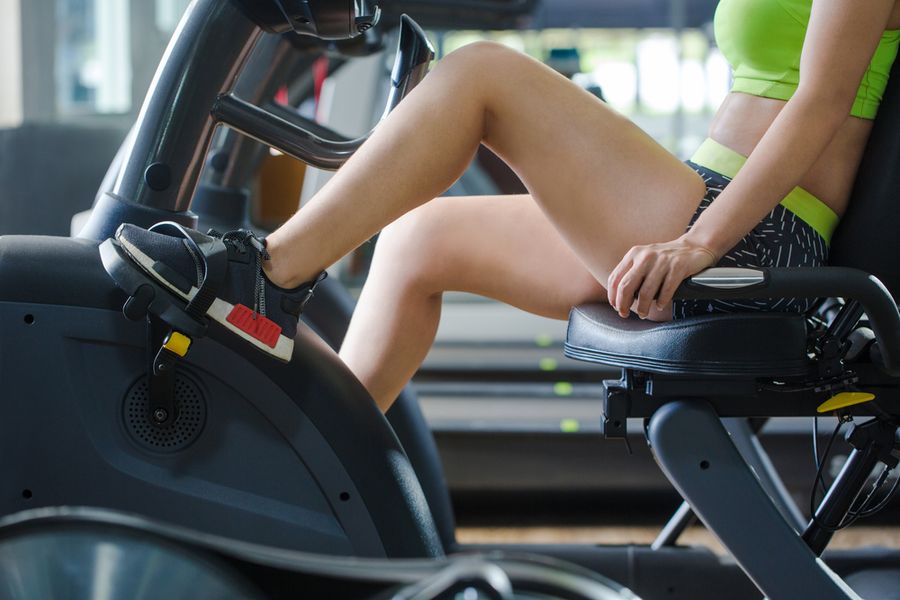
Recumbent stationary bikes are gaining popularity as more people look for exercise equipment that is comfortable, supportive, and easy to use at home. Yet despite their growing use, several misunderstandings persist. Many individuals assume they are only for older adults, or that they cannot provide a strong workout. Such myths can prevent people from choosing equipment that may actually fit their goals well. Understanding the facts can help you make better decisions about your fitness routine.
Myth 1: Recumbent Bikes Are Only for Older Adults
A common myth is that recumbent stationary bikes are designed only for older adults or people recovering from injuries. While these bikes do offer excellent support and are often recommended for low-impact exercise, they are not limited to one age group.
Many younger adults use recumbent bikes as part of a balanced workout routine because the seated design reduces pressure on the back and joints. Fitness beginners also appreciate the stable and comfortable setup , which allows them to build endurance without discomfort. Recumbent bikes support a wide range of fitness levels, making them useful for nearly anyone who wants a safe and effective workout option. This makes them a strong choice for families or shared home gyms where multiple people have different needs.
Recumbent bikes are also helpful for people who spend long hours sitting at work. The supportive seat encourages better posture than many upright bike designs, which can make exercise feel more approachable and enjoyable. Instead of being a tool for one specific age group, recumbent bikes serve as an inclusive option for riders seeking comfort and stability.
Myth 2: Recumbent Bikes Cannot Give You a Strong Workout
Another myth is that recumbent stationary bikes are too gentle to support real fitness progress. While they do offer a smooth and low-impact ride, they can still deliver a demanding workout depending on how you use them. Most modern recumbent bikes come with adjustable resistance levels that allow you to increase intensity as your strength grows. High resistance combined with longer workout sessions can challenge your leg muscles and cardiovascular system.
Interval training is also effective on recumbent bikes. You can alternate between short bursts of harder pedaling and periods of recovery, which many trainers recommend for building endurance and improving heart health. Because the seated position supports the body, riders may be able to sustain effort for longer periods without feeling worn out too quickly. This helps make recumbent bikes an excellent option for consistent, long-term fitness routines.
Myth 3: Recumbent Bikes Do Not Help with Weight Management
Some people believe that recumbent bikes burn too few calories to be useful for weight management. In reality, calorie burn depends on workout duration and intensity, not just bike design. When used at moderate to high resistance levels, recumbent bikes can support calorie-burning efforts similar to many other low-impact machines. They are especially helpful for people who cannot use treadmills or upright bikes due to joint discomfort.
Because the bike reduces strain on the knees, hips, and back, riders may find it easier to exercise consistently. Regular workouts are one of the most important factors in weight management. The comfortable design can make it easier to stick to a weekly routine, which often produces better results than sporadic high-impact workouts. For many people, the ability to exercise without pain is the key to long-term success.
Myth 4: Recumbent Bikes Are Too Large for Home Use
Many assume recumbent stationary bikes take up too much space, making them unsuitable for apartments or smaller homes. While some models are wide due to their seat design, many manufacturers now produce compact versions that fit well into home gyms, living rooms, or designated workout corners. These designs are easier to move, easier to store, and often lighter than older models.
For people who still worry about space, folding recumbent bikes are available. These models allow the seat and frame to fold inward when not in use. While they may not offer all the features of full-size versions, they provide a practical option for people who want comfort in a smaller footprint. The idea that recumbent bikes must take over a room is outdated thanks to modern engineering and new design options.
Myth 5: Recumbent Bikes Are Less Engaging Than Upright Bikes
Some people believe recumbent bikes are boring or that they offer fewer features than upright bikes. Today’s models often include digital screens, guided workouts, Bluetooth connectivity, and heart rate monitoring. These tools help riders stay motivated and track progress over time. Many also offer preset workout programs designed to simulate hills, long-distance rides, and interval challenges.
Riders often enjoy the freedom to read, stream shows, or listen to music comfortably during a session. The reclined seating position makes it easier to combine exercise with relaxation, which can make workouts feel more enjoyable. Instead of being less engaging, recumbent bikes offer a different style of workout that many people prefer.
Recumbent Bikes Offer Comfort Without Compromise
Recumbent stationary bikes are surrounded by myths that can discourage people from exploring their benefits. In reality, they provide strong workouts, support a wide range of fitness goals, and fit well into many home setups.
Their comfortable design encourages consistent exercise, which is one of the most important factors in maintaining overall wellness. Whether you are new to exercise or simply want a joint-friendly option, a recumbent stationary bike can be a valuable addition to your routine.