

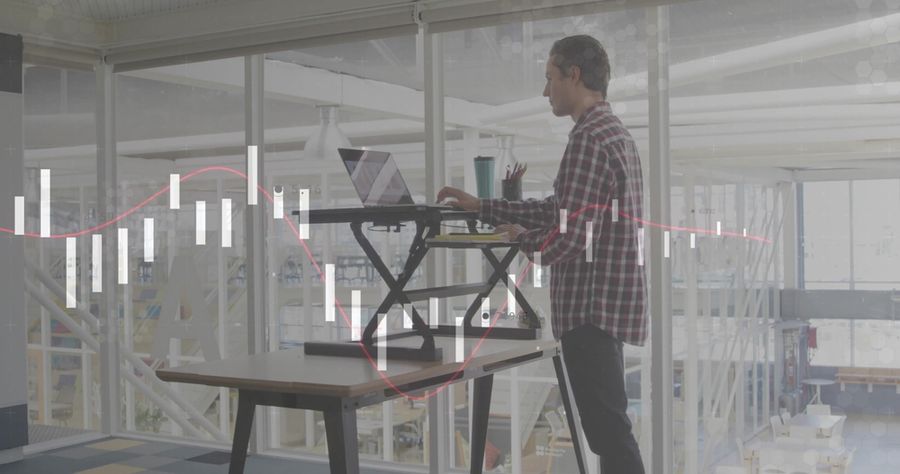
Many people spend long hours sitting at desks for work, school, or daily tasks. Over time, extended sitting can contribute to stiff muscles, low energy, and discomfort in the back or neck. Standing desk converters offer a budget-friendly way to transform an existing desk into a more flexible, health-supportive workspace. By giving you the option to alternate between sitting and standing, standing desk converters can help improve comfort, movement, and productivity throughout the day.
Why Standing Desk Converters Are Gaining Popularity
Standing desk converters have become popular because they solve a common problem without requiring new furniture. Instead of replacing your entire desk, a converter sits on top of it and lifts your work surface to standing height. This simplicity makes them appealing for home offices, shared spaces, and workplaces that don’t allow full desk replacements.
The main benefit is flexibility. Being able to switch between sitting and standing helps reduce stiffness and encourages more natural movement. Standing for part of the day can help reduce pressure on the lower back and promote better posture. Many people also find that standing boosts their energy, especially during long meetings or afternoon work sessions when sitting becomes tiring.
Converters are also helpful for people with limited space. They work on small desks, rented spaces, or temporary setups because they don’t require drilling, installation, or permanent changes. Their portability means you can move them to another room or take them to a new workspace if needed.
Key Features to Look for in a Standing Desk Converter
Choosing the right desk converter depends on your workspace, work style, and comfort needs. One of the most important features is height adjustability. A good converter should offer smooth, stable adjustments that allow you to find the right ergonomic height whether you’re sitting or standing. Look for models that adjust easily without wobbling or requiring excessive force.
Surface space is another key consideration. Your converter should provide enough room for your monitor, laptop, keyboard, mouse, and any essential accessories. Some models include separate keyboard trays that sit below the main surface, allowing for a more natural typing position. This can help maintain a neutral wrist posture, reducing strain during long work periods.
Weight capacity is also important. If you use dual monitors, heavy equipment, or a large laptop stand, make sure the converter can support your setup safely. Sturdy frames made from steel or reinforced materials offer better durability and stability.
Finally, consider whether you prefer a manual or electric adjustment system. Manual converters use levers or springs to lift the surface, while electric models adjust at the push of a button. Both can be effective, but the choice depends on your comfort and budget.
Ergonomics: How to Set Up Your Workspace for Comfort
Even the best standing desk converter won’t help if it’s not set up correctly. Ergonomics plays a major role in preventing discomfort and maximizing the benefits of standing while working. Your monitor should sit at or just below eye level so you don’t strain your neck. If you're using a laptop, consider adding a stand or external monitor to achieve the proper height.
Your keyboard and mouse should be at a height that allows your elbows to bend at roughly a 90-degree angle. This prevents shoulder tension and helps maintain a neutral wrist position. If your converter has a built-in keyboard tray, adjust it so your forearms stay parallel to the floor while typing.
When standing, distribute your weight evenly across both feet. A supportive anti-fatigue mat can make standing more comfortable by reducing pressure on your feet and legs. It also encourages subtle movement, which keeps your body more relaxed.
Switching positions regularly is key. Standing for too long can be just as uncomfortable as sitting for extended periods. A common guideline is to alternate between sitting and standing every 30 to 60 minutes , allowing your body to move naturally throughout the day.
Practical Benefits for Daily Work Routines
Standing desk converters offer several practical benefits beyond posture and comfort. Many people report increased focus and alertness when standing, especially during tasks that require creativity or problem-solving. Standing encourages better blood flow, which can help maintain energy during long stretches of work.
Converters also support healthier habits. When standing, you may be more likely to stretch, shift your weight, or take short movement breaks — all of which can reduce stiffness and boost overall well-being. Over time, these small movements add up, supporting healthier daily routines.
For remote workers, a standing desk converter can help create a more intentional workspace. The ability to shift positions offers structure to the day and helps separate work time from relaxation time. In shared or crowded homes, converters create adaptable work zones that fit changing needs.
Creating a Workspace That Moves With You
Standing desk converters offer an affordable and practical way to build a healthier workspace without replacing your furniture. By allowing you to alternate between sitting and standing, they support better posture, reduce stiffness, and promote more active work habits.
With the right features — such as smooth adjustability, strong construction, and proper ergonomics — a desk converter can make your daily routine more comfortable and productive. A small change in your setup can lead to lasting improvements in how you feel throughout the workday.