

For many people, busy days make it difficult to prepare home-cooked meals that are both healthy and satisfying. Slow cookers offer a simple solution by allowing you to combine ingredients, set the temperature, and walk away while your meal cooks on its own. A hands-off approach can save hours of effort each week and reduce the stress of planning dinners. Understanding the features that matter most will help you choose a slow cooker that fits your schedule and cooking style.
Why Slow Cookers Support Time-Saving Habits
Slow cookers are built around convenience. They allow you to prepare ingredients in the morning and come back hours later to a fully cooked meal. This makes them ideal for people who work long hours, juggle family schedules, or simply want to cut down on meal preparation time. Because slow cooking uses gentle, consistent heat, foods develop deep flavors without constant attention.
Another benefit is flexibility. Most slow cooker recipes can simmer for several hours without overcooking, giving you more freedom in your schedule. Whether you’re running errands, attending meetings, or helping kids with schoolwork, your meal continues cooking safely. This reduces the temptation to order takeout or rely on prepackaged foods, helping you maintain a healthier routine with minimal effort. Slow cookers also pair well with batch cooking, allowing you to prepare multiple servings at once for easy leftovers or freezer meals.
Programmable Settings for Busy Schedules
One of the most valuable features in a modern slow cooker is programmable control. Unlike basic manual models, programmable slow cookers let you set precise cooking times and automatically switch to “warm” mode when the meal is ready. This prevents dishes from burning or overcooking when your schedule changes or runs longer than expected.
Digital timers make it easy to plan meals around your day. For example, you can set a stew to cook for six hours and trust that it will remain warm until dinner. This feature is especially useful for people with unpredictable workdays or those who spend time commuting. Some units also offer delayed-start options, although they should be used carefully for food-safety reasons when raw ingredients are involved.
Programmable settings give you more control over the cooking process and allow you to choose specific heat levels or cooking durations based on your recipe. This helps ensure consistent results, especially when making soups, roasts, or beans that require slow, steady cooking.
Removable Inserts for Easy Cleaning and Serving
A removable insert is another essential feature to consider. The insert is the inner pot where the cooking takes place, and high-quality slow cookers include inserts that lift out easily for serving or cleaning. Many inserts are made of ceramic or stoneware, which retain heat well and help dishes stay warm even after you bring them to the table.
Cleaning is much simpler when the insert can go into the sink or dishwasher. This reduces cleanup time and makes slow cooking even more appealing for busy households. Some slow cookers also offer inserts with nonstick coatings, which help prevent food from sticking to the surface.
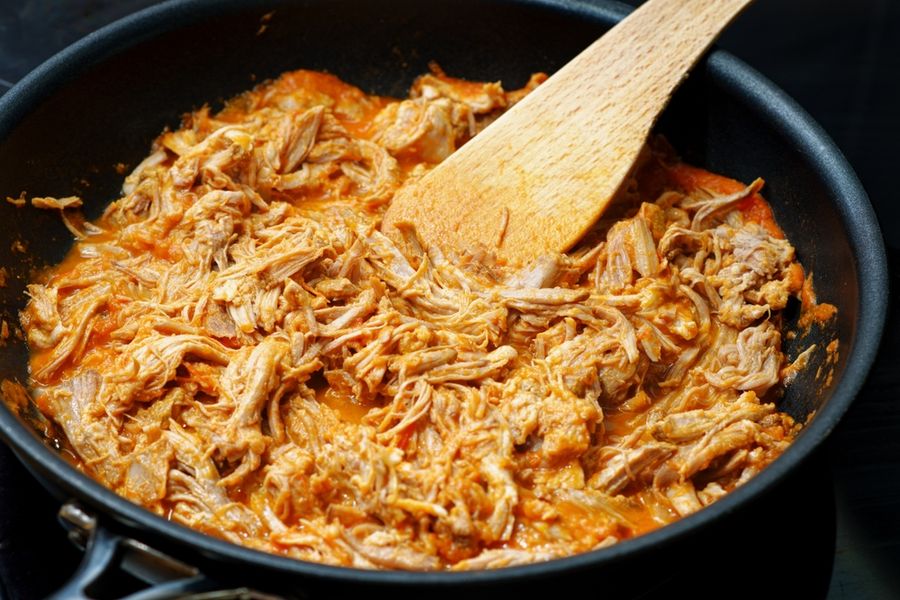
Removable inserts also give slow cookers more versatility. You can assemble your ingredients ahead of time, refrigerate the entire insert overnight, and place it into the heating base the next morning. This preparation style works especially well for casseroles, pulled meats, and breakfast dishes.
Multiple Heat Settings for Versatile Cooking
Slow cookers with several heat settings give you more options when planning meals. The standard “low,” “high,” and “warm” settings let you adjust cooking speed based on your available time. A dish that cooks in eight hours on low might take only four hours on high, allowing you to adapt your plan to your daily schedule.
Some advanced models offer additional settings, such as “simmer,” “steam,” or “sear.” While these aren’t necessary for every home cook, they can be helpful for expanding your recipe options. A sear function, for instance, lets you brown meat before slow cooking without using an extra pan, reducing both effort and cleanup.
Consistency is key when it comes to slow cooking. Models that maintain stable temperatures ensure that your meals cook evenly and safely. When reading product descriptions, look for mentions of steady heat distribution or temperature monitoring, especially if you cook meats, grains, or legumes frequently.
Compact or Large Sizes to Fit Your Household
Slow cookers come in a wide range of sizes , from compact 2-quart units to large 8-quart models. Choosing the right size depends on your household and how you plan to use the cooker. Smaller slow cookers work well for dips, oatmeal, or meals for one or two people. Larger families, or anyone who enjoys batch cooking, benefit from bigger models that can prepare multiple servings at once.
Space also plays a role. If you have limited counter space or prefer to store appliances between uses, consider the shape and height of the model you choose. Oval slow cookers are useful for cooking whole chickens or large roasts, while round models fit more easily into tight spaces.
A Reliable Tool for Everyday Meals
A slow cooker can transform your meal routine by making it easier to prepare delicious, home-cooked dishes without spending hours in the kitchen. Features like programmable timers, removable inserts, and multiple heat settings help you plan meals around your busy schedule while still enjoying satisfying results.
Whether you’re cooking for yourself or feeding a family, the right slow cooker supports healthier eating, reduces daily stress, and saves valuable time. With thoughtful features and simple operation, it’s one of the most practical kitchen tools for modern living.